Building an eco-habitat
Biology, in SpanishDesign a living terrarium or a rainwater system, and learn the words for materials, measurements, species and habitats along the way.

Cadenza is a voice-first language platform for schools. Students pick projects they care about, echo the melody of native speech, and talk with a partner who guides them by example.
For schools, language academies and universities.Flashcards teach children words. Speaking takes timing, stress and melody, and none of it fits on a card.
Most school language classes still run on lectures, flashcards and red pens. Cadenza turns the same hour into a studio where every student speaks.
Cadenza is new, so it hasn't yet been tested as a whole in an independent study. Each ingredient has been. Every pilot measures what your students can say and do, and we share those results with you.
See All the EvidenceAnxious students achieve less. That's the average link between language anxiety and results across 97 studies and almost 20,000 learners.
Teimouri, Goetze & Plonsky, 2019Spoken feedback during conversation helped students improve, and the gains lasted. Younger learners benefited most.
Lyster & Saito, 2010Project-based learning had a moderate positive effect on English proficiency across the studies analysed.
Mujiono, Weganofa & Herawati, 2023Nine shadowing lessons improved how well 43 learners heard the individual sounds of English.
Hamada, 2016
Each mission is a real moment inside a project the student chose: ordering bread for their bakery, describing a propeller, asking for supplies for a Martian dome.
Watch, Echo, Talk, Unlock. Most of the five minutes goes to talking.
A 5–10 second scene from real life, with natural sound. The meaning appears for two seconds, then fades, so the picture carries the story instead of a translation.
10 secondsThe student speaks along with a native voice, a quarter of a second behind. They follow the rise and fall of the sentence the way you hum along to a song, and a live line shows when they are in time.
60 secondsA short conversation with a friendly character who answers in one or two sentences and models the right words. If the student pauses for four seconds, a gentle choice appears to keep things moving.
About 3 minutesThe mission joins a map of things the student can now do. Nearby situations open up next. No points and no streaks: real abilities families can see.
Under a minuteCadenza brings together what makes children want to speak, who they speak with, and how their ear learns a new language.
Motivation that comes from inside: students build something they care about, and the language comes with it.
Student-Led EngagementLike a parent in a bilingual family: one language, endless patience, and the right words modelled back.
One Person, One LanguageProsodic shadowing trains the ear and mouth together, so rhythm and melody are in place before grammar.
Prosodic ShadowingFluency at school grows from intrinsic motivation, not mandatory worksheets. Each student picks a project they care about in the new language. Forced grammar chapters make children anxious and quiet; a project they chose turns the language into a tool for making something.
Intrinsic motivation: Ryan & Deci, American Psychologist, 2000. Anxiety and learning: Krashen, 1982.Design a living terrarium or a rainwater system, and learn the words for materials, measurements, species and habitats along the way.
Plan a pressurised dome with a team: supplies, structural loads and what daily life on Mars would need.
Run a virtual bakery: choose flours, time the rising dough, and serve customers in real conversation.
Design a small underwater robot, test it, and explain what works and what doesn't, all in the new language.
Many bilingual families raise children with one simple rule: one parent speaks only one language. When a word comes out wrong, that parent doesn't stop the conversation. They say it back the right way and carry on, so the child hears the difference straight away. Cadenza gives every student that partner, while teachers stay in charge of the lesson.
One person, one language: described by Maurice Grammont in 1902 (overview). Feedback in conversation: Lyster & Saito, 2010. How Recasting WorksMistakes are recast: the partner repeats the sentence correctly in its reply, so the student hears the right form without being stopped.
Students meet grammar as patterns in real conversation. Teachers can then name and practise those patterns in class.
It fills vocabulary gaps and asks follow-up questions, so students keep speaking for longer.
In the Echo step, students speak along with a native voice, a quarter of a second behind. It's called prosodic shadowing: it began in 1950s speech laboratories, became a staple of interpreter training, and is now studied in language classrooms. Drag the slider to see why the delay matters.
Explore the ScienceYour students already learn by making, building and presenting. Cadenza brings the same approach to languages.
Students learn by doing, so they start by speaking. No word lists to get through before the first real conversation.
No red marks and no buzzers. The partner says it back the right way and keeps talking, so students keep talking too.
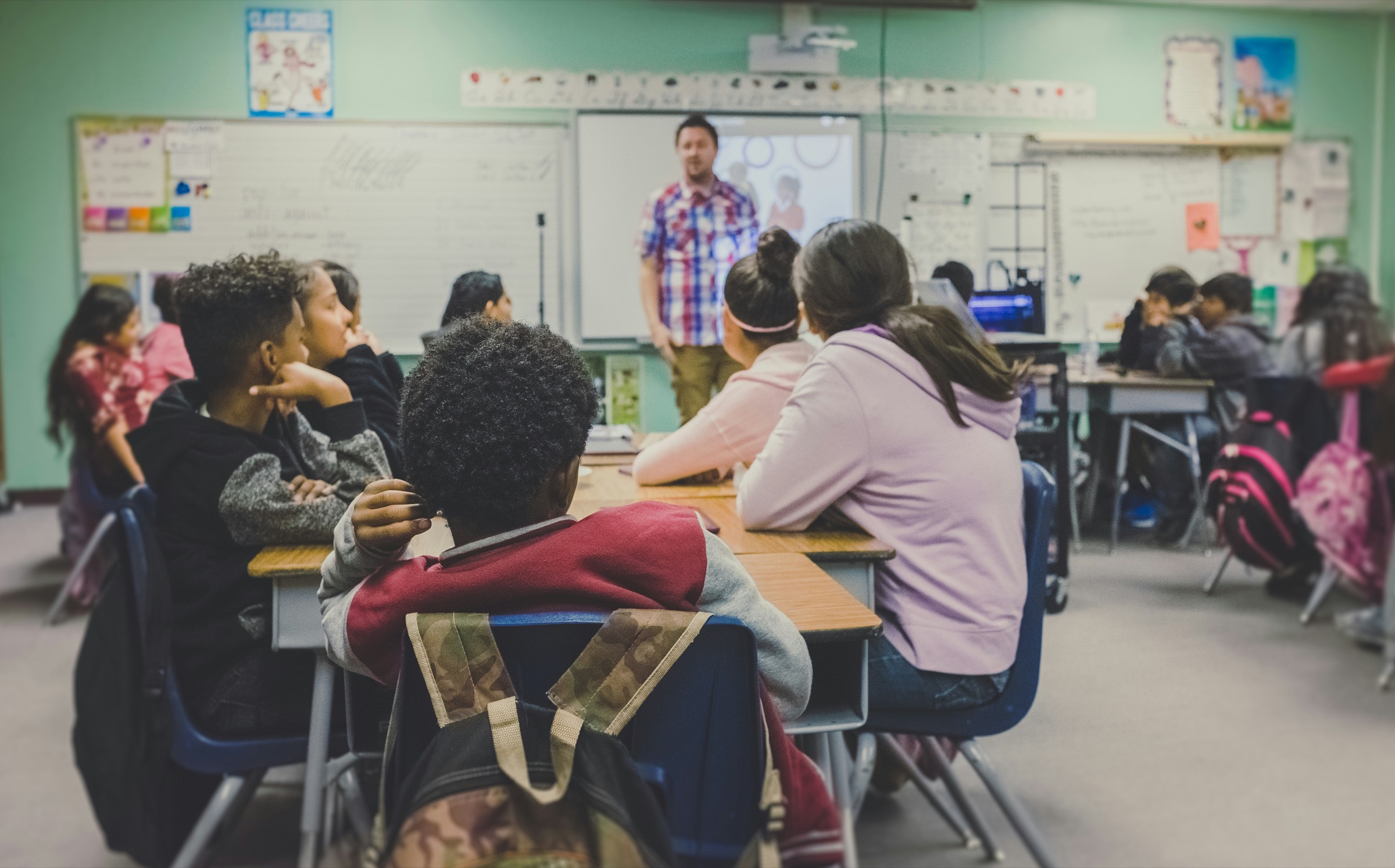
Every mission belongs to a project the student chose, from a Martian colony to a bakery, so the reason to speak is their own.
Shadowing trains the ear on natural, native-speed speech, with its linked words and dropped sounds, rather than slow textbook audio.

Each finished mission adds a real ability to the student's map: "I can buy bread at a bakery." Families see what their child can do, not a test score.

We provide the apps, the infrastructure and a person who knows your school by name. Your teachers focus on teaching.
Deployment DetailsStudents use Cadenza on the phones and tablets your school already has.
Prosoda Labs hosts and maintains the backend. Nothing to install on your servers.
Use our AI for content, text-to-speech and speech recognition, or connect your school's own keys for any major provider.
Each school gets a dedicated Prosoda specialist who helps set up the practice and stays on as real-time support.

For schools that measuresuccess in whatchildren can do.
See Cadenza working with your own students before you commit. We partner with schools, language academies and universities that want students speaking, not just studying.
We look at your timetable, the languages you teach and the classes you'd like to start with.
Students run missions inside projects they choose. Teachers see each student's map grow.
We share what students can now say and do, and you decide on next steps.